QSR Media Australia Interview with Josh Ludski
Australian quick-service restaurant (QSR) operators face a simultaneous squeeze across every major cost line in 2026, with award wages rising 4.75% from July and electricity costs up more than 25% year on year, according to Restaurant and Catering Australia.
The pressure is not easing. With consumers spending more carefully and delivery platforms charging commissions of up to 30%, operators that can't find new sources of transaction growth risk falling further behind.
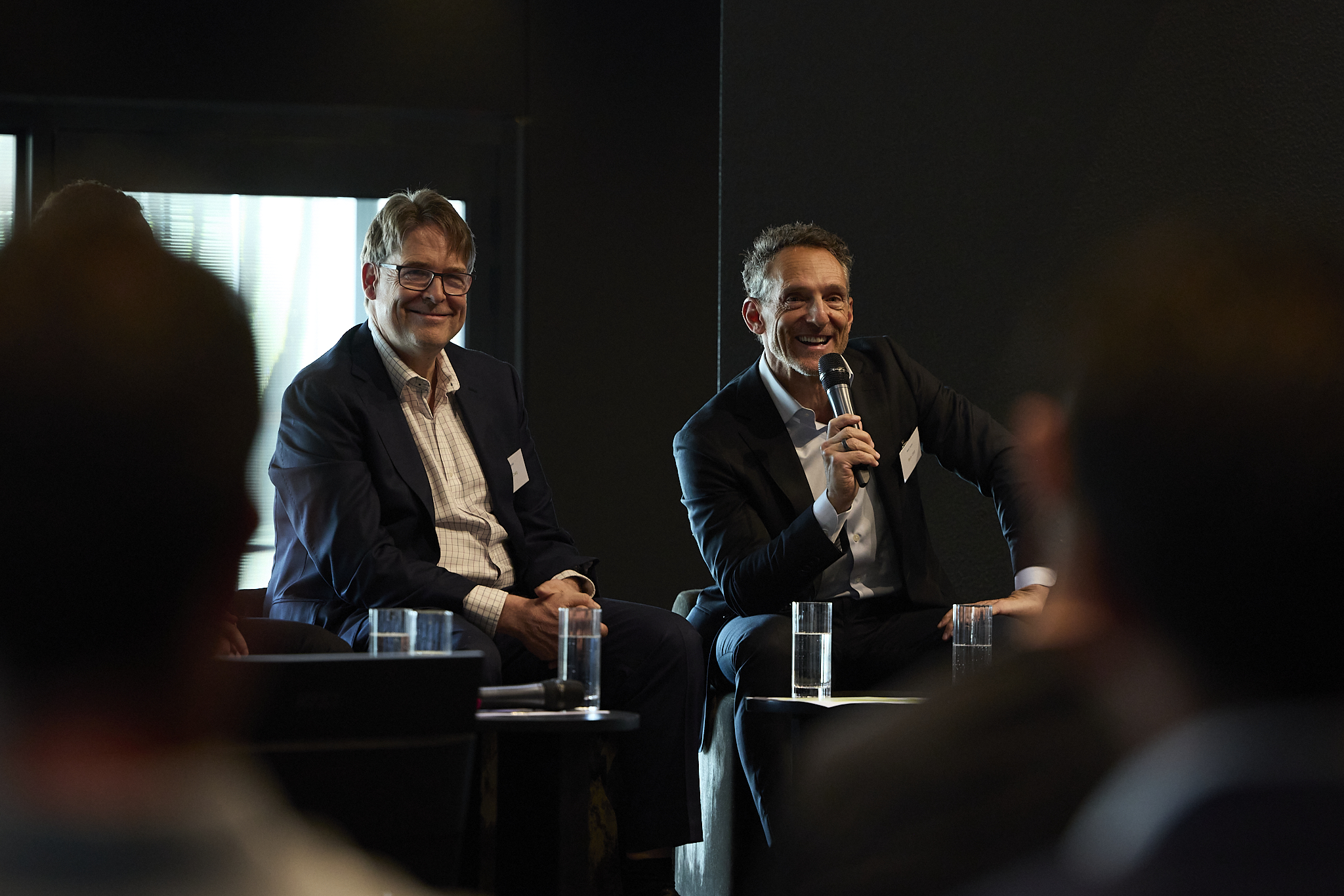
Speaking to QSR Media ahead of his participation at the QSR Media Conference & Awards 2026, powered by Red Bull, Josh Ludski, Head of Strategic Investments at River Capital, shares his thoughts on the current business climate.
Which costs or risks are increasing fastest for QSR operators this year, and how are the most successful companies responding?
I am always watching costs that feel like they are constantly increasing at higher rates than inflation. Over the last few years, this has included both labour and rent, particularly in shopping centres. With the minimum wage increases, reclassification of rates for under-21-year-olds, and many shopping centres with 4% to 5% rental escalations, this will again be true this year.
The challenge I am setting to the CEOs of the businesses we are involved in is that the only way to grow sustainably in this environment is by driving transaction growth, and you need to continue to search for inventive ways to do this.
At The Cheesecake Shop, we have been incredibly successful at driving customer acquisition through smaller, lower-priced treats. Beyond the sales of these items, the “newness” has given the brand another reason to re-engage with customers, which drives sales through the core range.
What does excellence look like in QSR execution today, and what signals indicate a business is performing exceptionally?
From my perspective, the one metric that matters is the same metric that has always mattered. How quickly does a brand pay back the investment made on each store? The reason I like this metric is that it can be applied equally across brands of all sizes and to both franchised and corporate concepts. It captures the cost of a store, the average unit sales, and the average profitability.
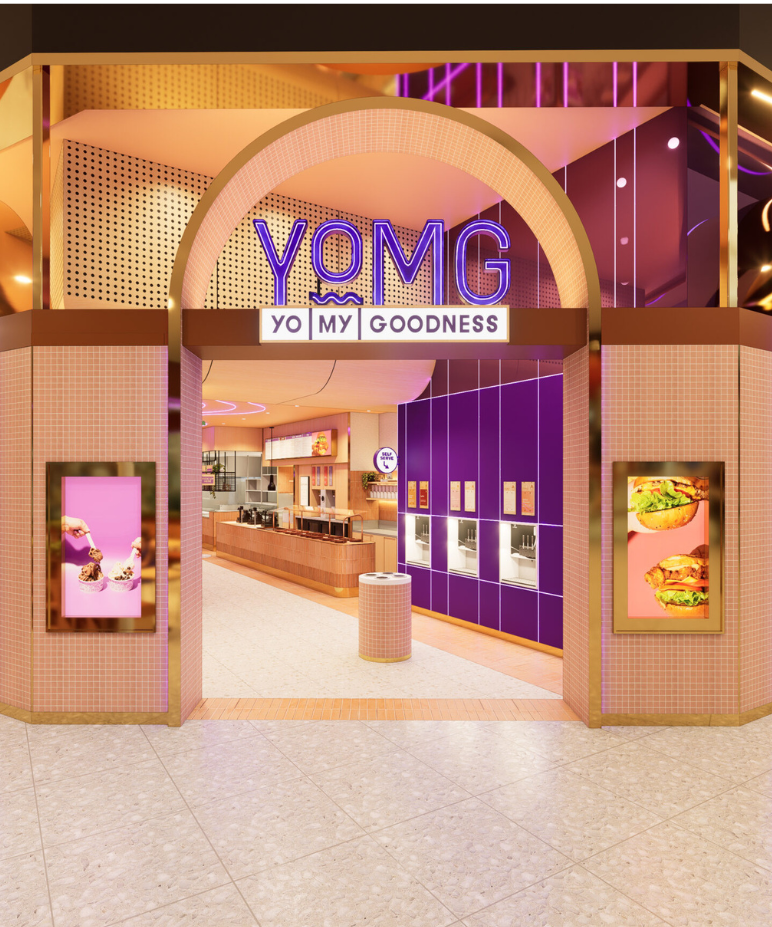
Best in class is corporate networks that can generate paybacks within two years, and franchise networks that can do so in three years. Both YOMG and The Cheesecake Shop satisfied these metrics when we invested in those businesses.
What would you advise a QSR brand wanting to grow more in the next three to five years?
I’m fortunate that in my role I meet many founders of QSR brands, both those building franchises and those running restaurants. My view is that despite the well-known cost pressures facing the industry, it has never been a better time to build a brand. It used to cost millions of dollars to build a brand, but today’s brands can set up a business, roll out technology and attract an audience through digital media in a much more affordable way.
At the same time, I think we will continue to see industry share shift away from independents to brands who are able to run more efficiently with scale. That said, the most common mistakes I see founders of ambitious brands make are underestimating the level of investment needed to scale beyond 5-10 stores and beyond your home city.
My advice is to think early about the capability you need in your team to really scale efficiently and hire this before you think you really need it. Also consider how you are going to fund your rollout so that you can fully capture the momentum you are building in your brand.
Looking ahead 12 months, what are your top three predictions for QSR in Australia, and which indicators will tell you if they’re on track?
Having toured the US earlier in the year, where a much larger percentage of the population is already using GLP-1s (ie Ozempic), I feel like our industry in Australia is still yet to see the full impact of GLP-1s on consumer behaviour, and I expect the Australian numbers to reflect the US numbers over time.
In the US, over 10% of the population is using these drugs, but in Australia it is only 2% to 3%. The catalysts I am watching for are (1) the addition of these drugs to the Pharmaceutical Benefits Scheme and (2) the introduction of these drugs in tablet form. There will undoubtedly be winners and losers from this over time.
The best QSRs will continue to find ways to sell through different day parts. With so many more drive-thru stores, I am watching the percentage of sales before 12PM and after 8PM as brands search for incremental customer growth.
Also, the return of “dine-in”. Now more than ever, young families and Gen Z are looking for a place that they can go and hang out. With so much focus on drive-thru and third-party delivery over the last few years, the quality of the dine-in experience across the industry has fallen. Part of the reason we invested in YOMG was that we felt the brand could be a beneficiary of this trend, as people traded alcohol at the pub for a fro-yo or meal.
Article written by Djan Magbanua, QSR Media
https://qsrmedia.com.au/event-news/qsr-brands-must-find-inventive-ways-grow-costs-outpace-inflation

.jpg)



.png)